ARGENTINA
I spent several months living in Buenos Aires during a university exchange and used every long weekend, public holiday and spare day to explore as much of Argentina as I could.
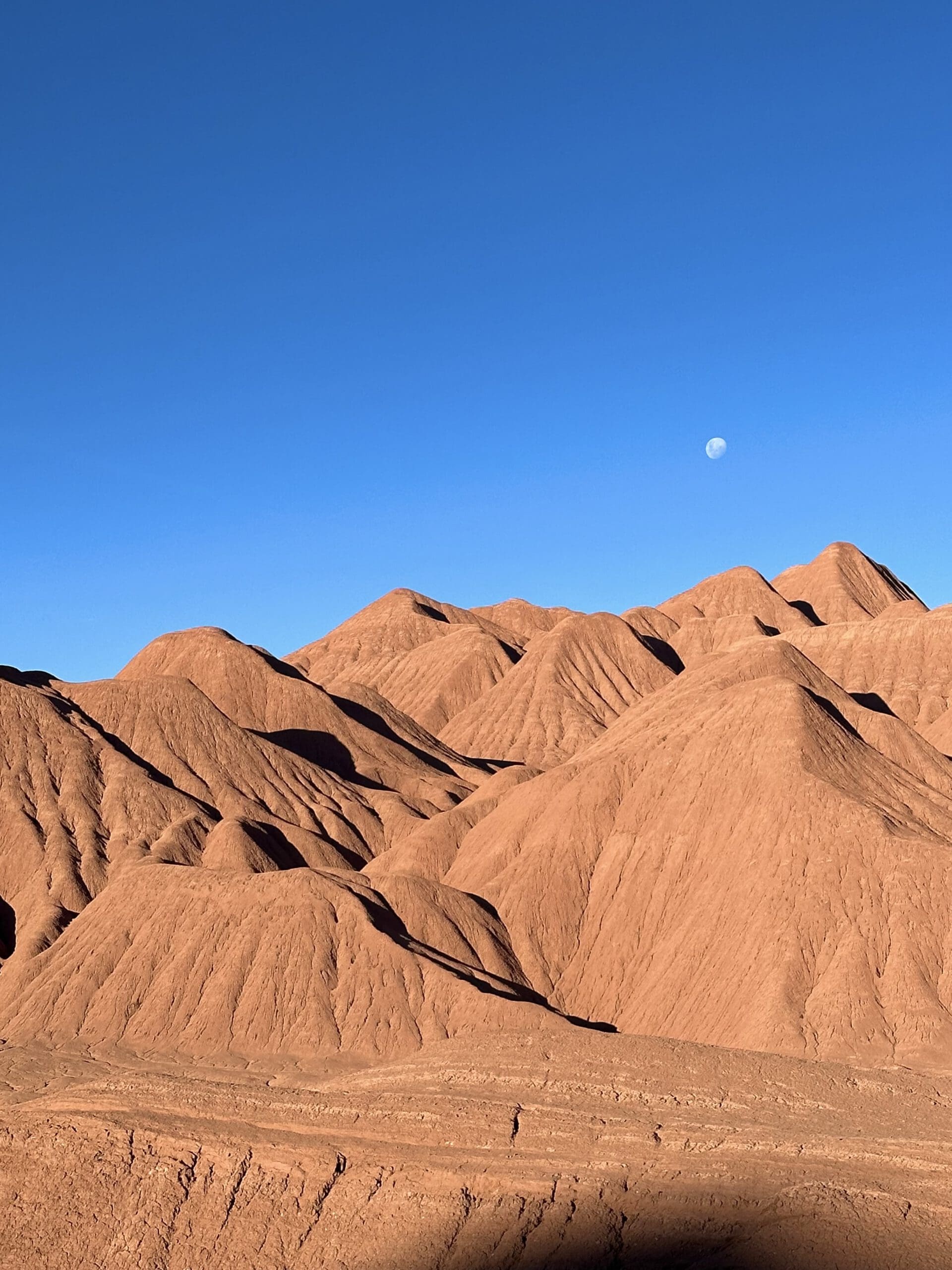
What struck me most is how much the country changes from one region to the next. One weekend you’re surrounded by vineyards and mountains, the next you’re exploring the deserts around Salta, then hiking through Patagonia and standing in front of a glacier, or admiring enormous waterfalls. Few countries offer such a diversity of landscapes.
Argentina is vast, and that’s part of its charm. It’s not a country you rush through. Distances are long, plans often take longer than expected, and the best experiences usually come when you slow down and enjoy the journey.
Tips Before You Go
Currency: Argentina’s economy has been volatile for years. When I lived there, the exchange rate was incredibly favourable for Europeans, we ate out every night without thinking about it, and most things were paid in cash. That changed after the government lifted currency controls in April 2025: the “blue dollar” rate that travellers used to rely on is now only a few percent away from the official rate, so there’s no big advantage in bringing lots of cash anymore. Cards are widely accepted in Buenos Aires and other cities, so pay by card where you can (ideally one with no foreign transaction fees) and choose to be charged in pesos. Still, carry cash for small shops, markets, taxis and tips, and more of it in smaller towns and remote areas like Salta and Patagonia. Avoid ATMs (low withdrawal limits and high fees) and airport exchange desks. Argentina is still reasonably priced by Western European standards, but it’s no longer the bargain it once was.
Domestic flights: Argentina is huge and flying between regions is often the only realistic option. Most domestic routes go through Buenos Aires, which adds time. The main airlines are Aerolíneas Argentinas (most reliable, direct routes), JetSMART and Flybondi (budget, good if you travel light). Book in advance for Patagonia, especially in summer (December-February).
Spanish: Outside Buenos Aires and tourist areas, English is limited. A basic level of Spanish goes a long way.
Seasons: Argentina is in the southern hemisphere so seasons are reversed. Summer is December-February (hot in Buenos Aires, good for Patagonia), winter is June-August (cold in the south, good for the north). Avoid Patagonia in winter if hiking is the goal.
Size: Don’t underestimate distances. Buenos Aires to Ushuaia is like London to Cairo. Plan your trip by region, not by trying to cover everything.
Buenos Aires
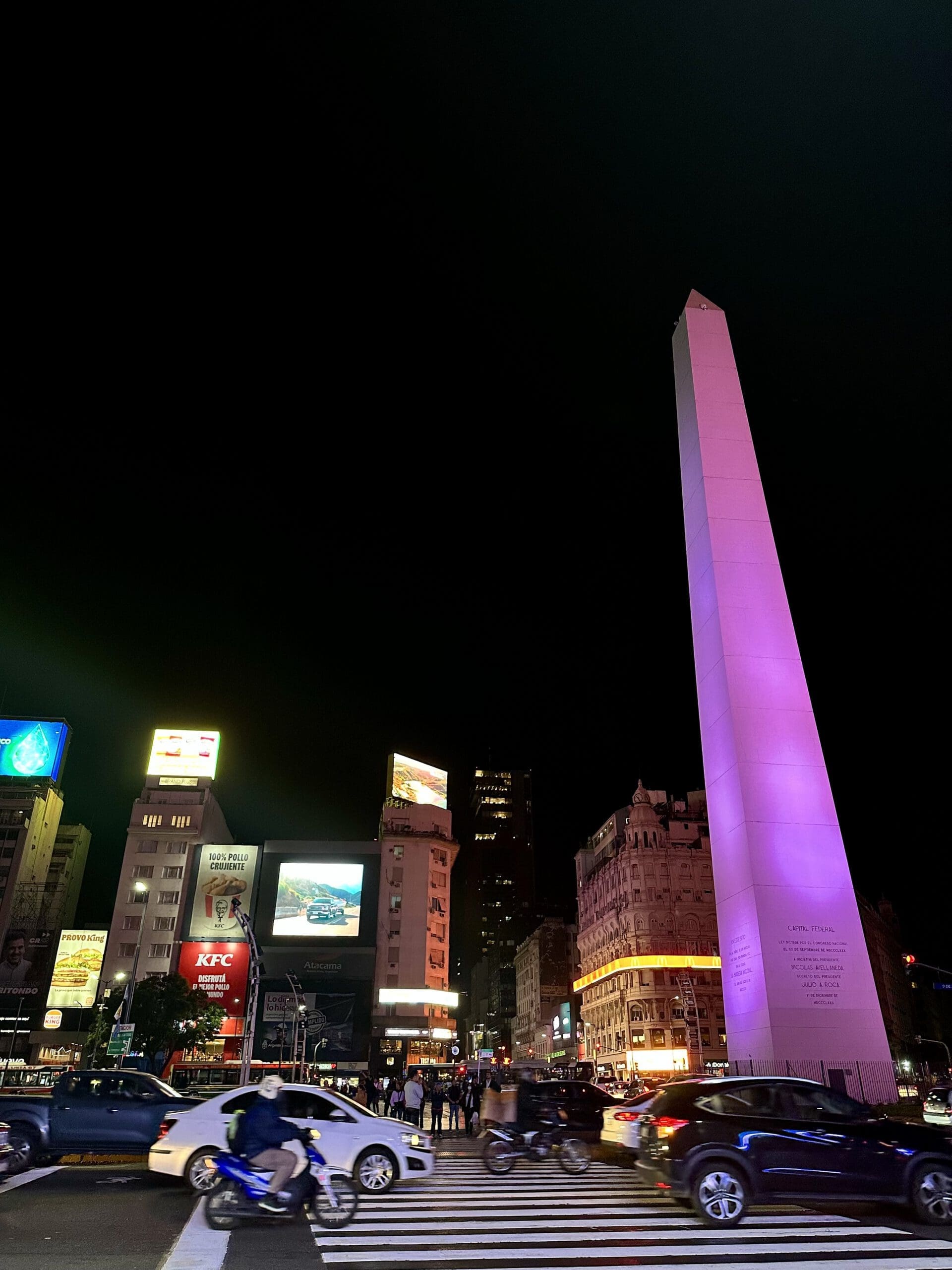
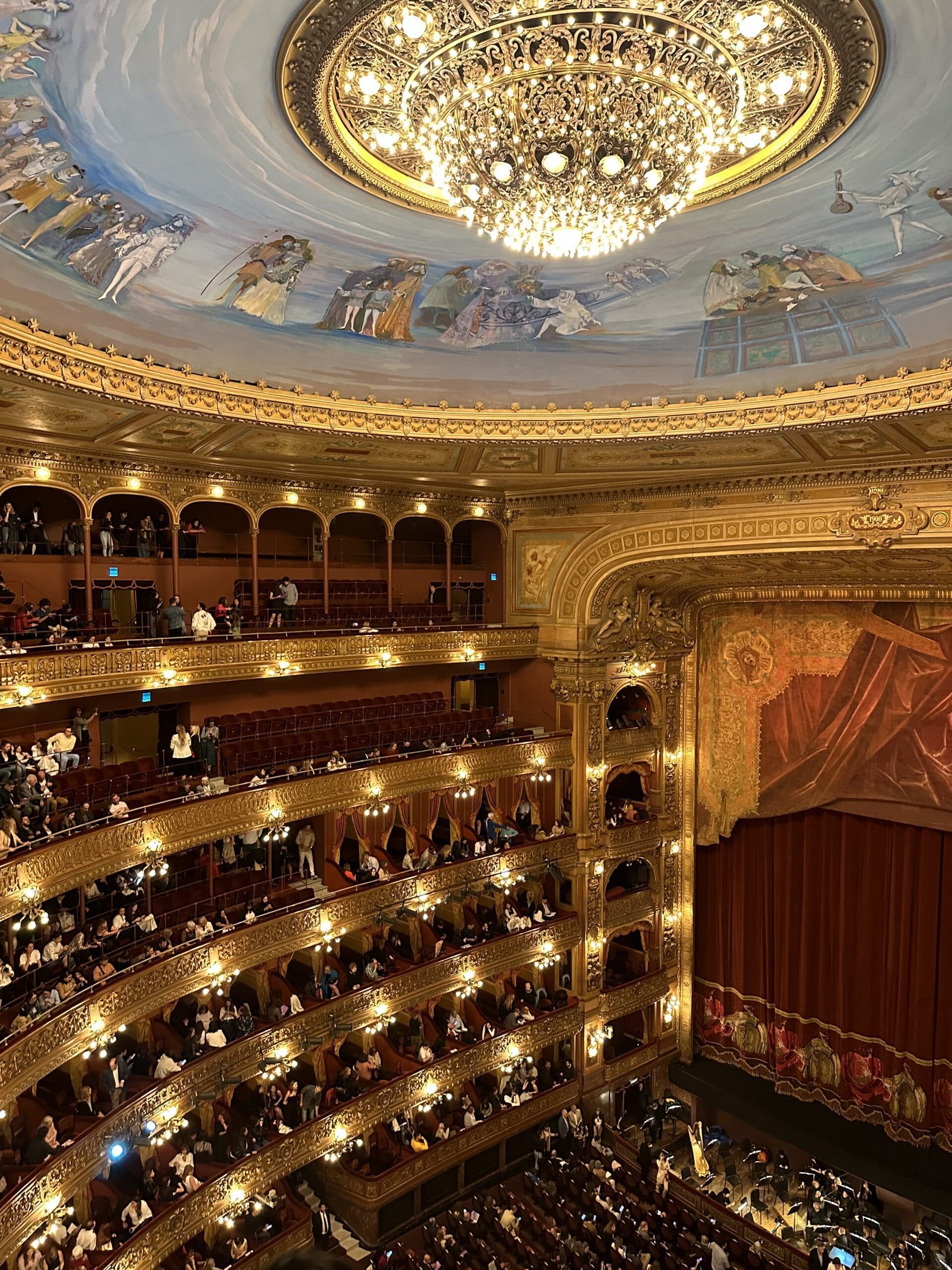
The capital and the obvious starting point. It feels more European than South American: wide boulevards, great cafes, incredible food, a real nightlife culture. Palermo, Recoleta, San Telmo, La Boca all have completely different personalities and you could easily spend a week just in the city.
Give it a minimum of 2 days.

Mendoza
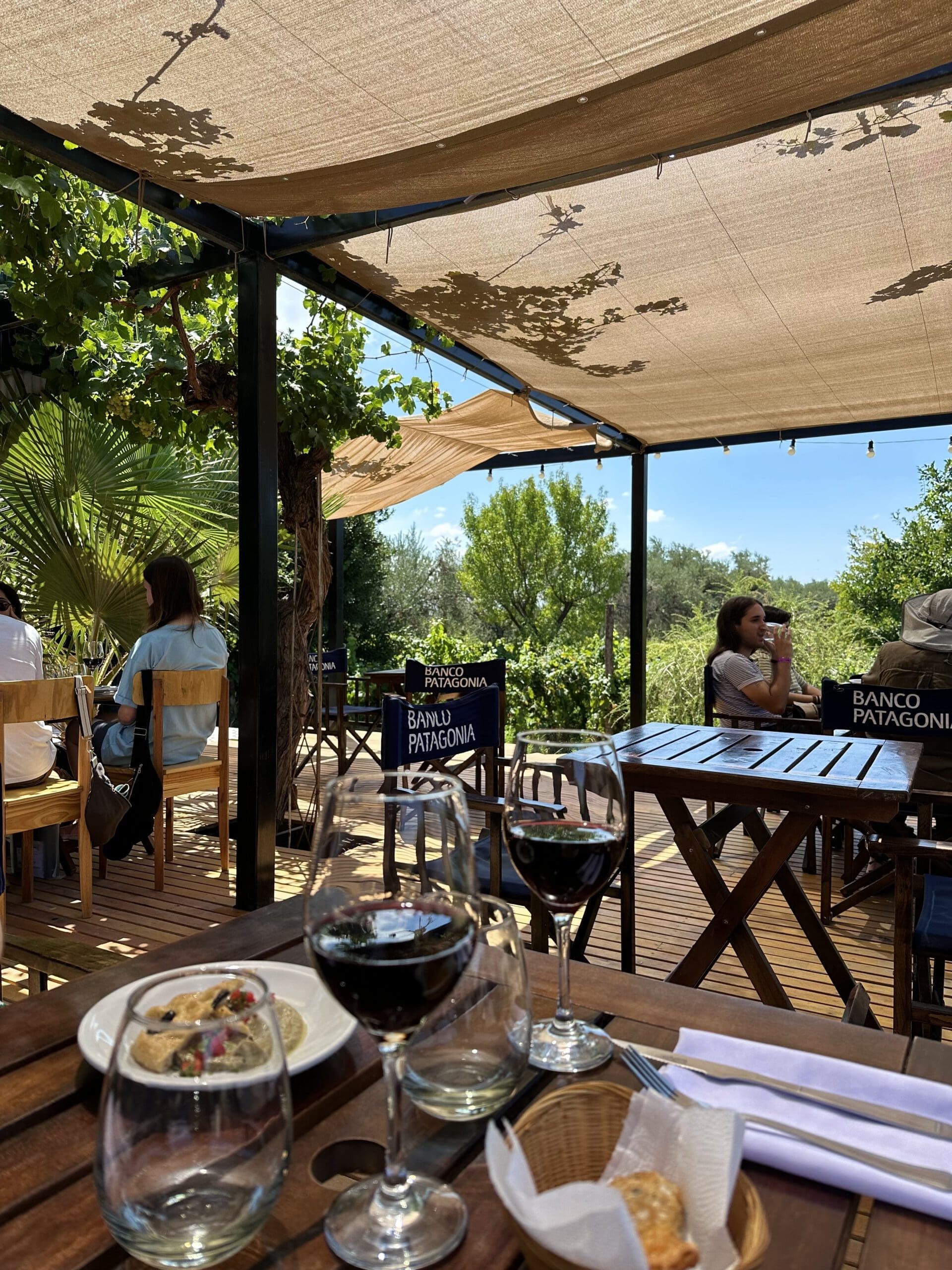
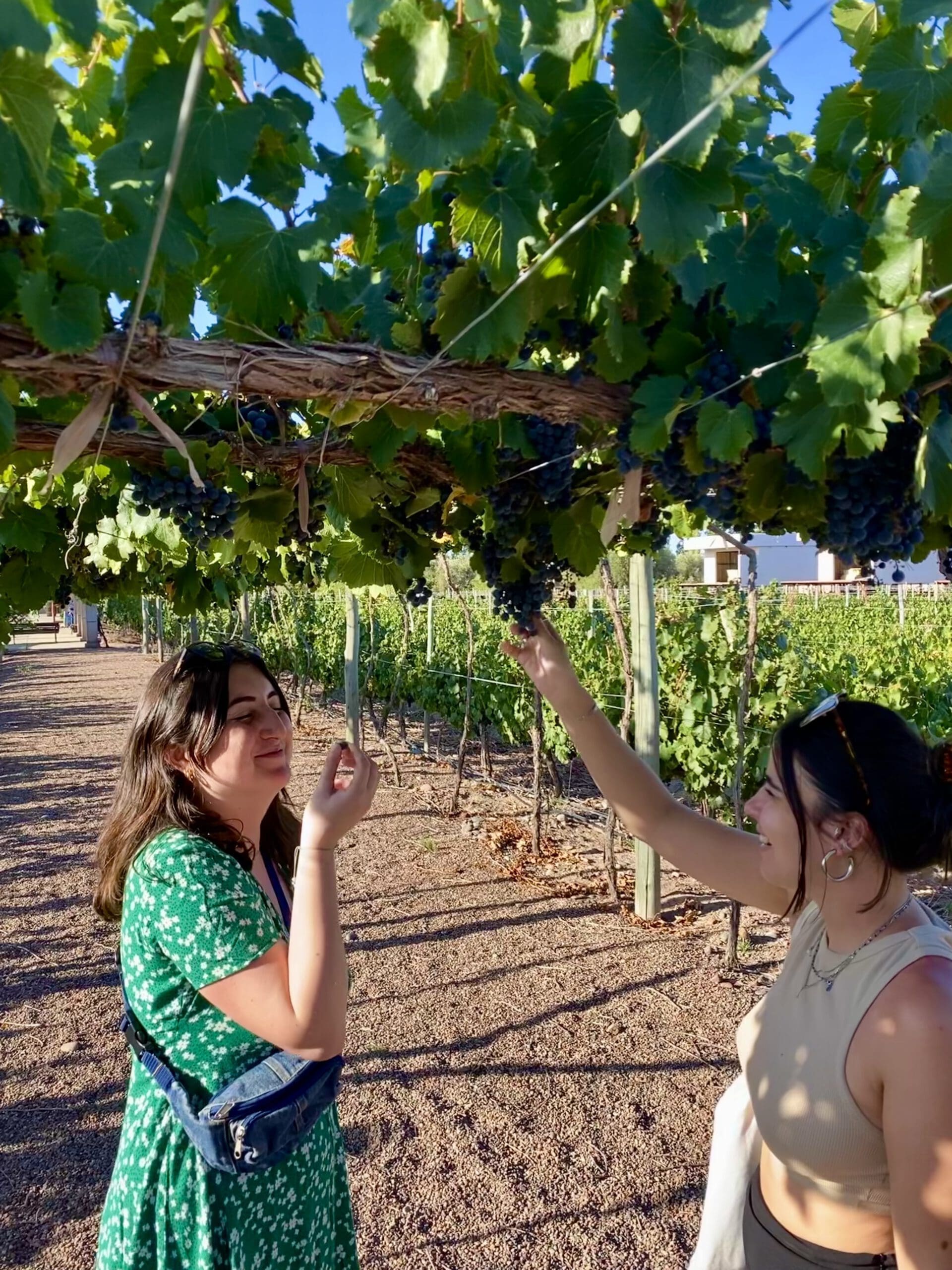
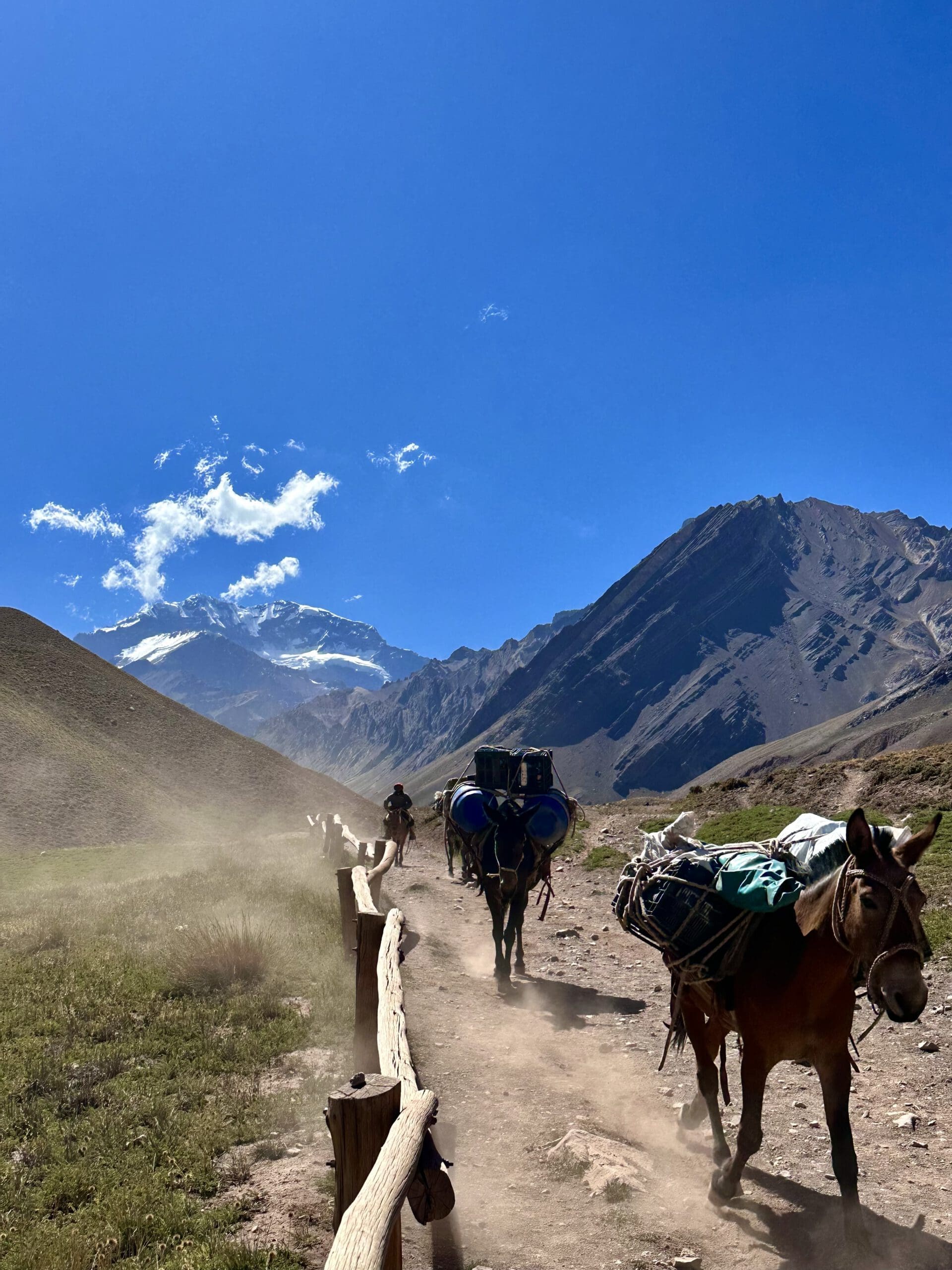
Wine country at the foot of the Andes – Malbec, bike tours between vineyards, and a day trip toward Aconcagua. 2 days is enough to get a real taste but you could easily spend more.
Salta
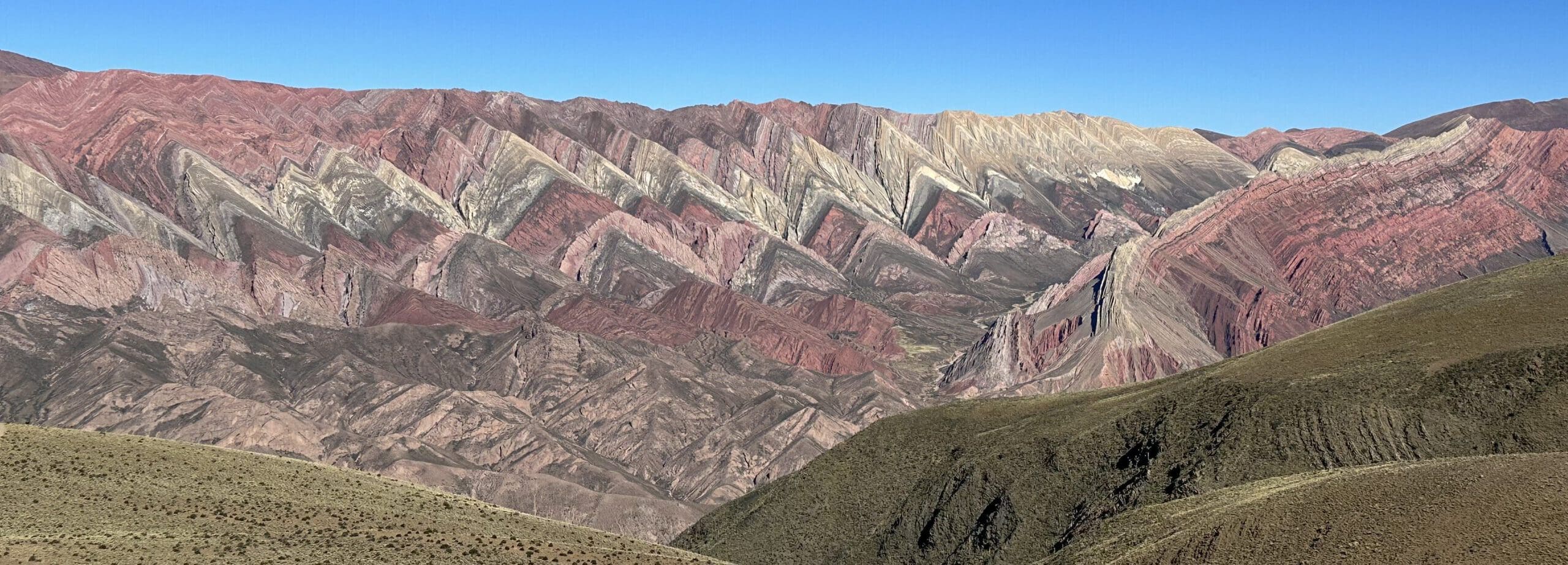
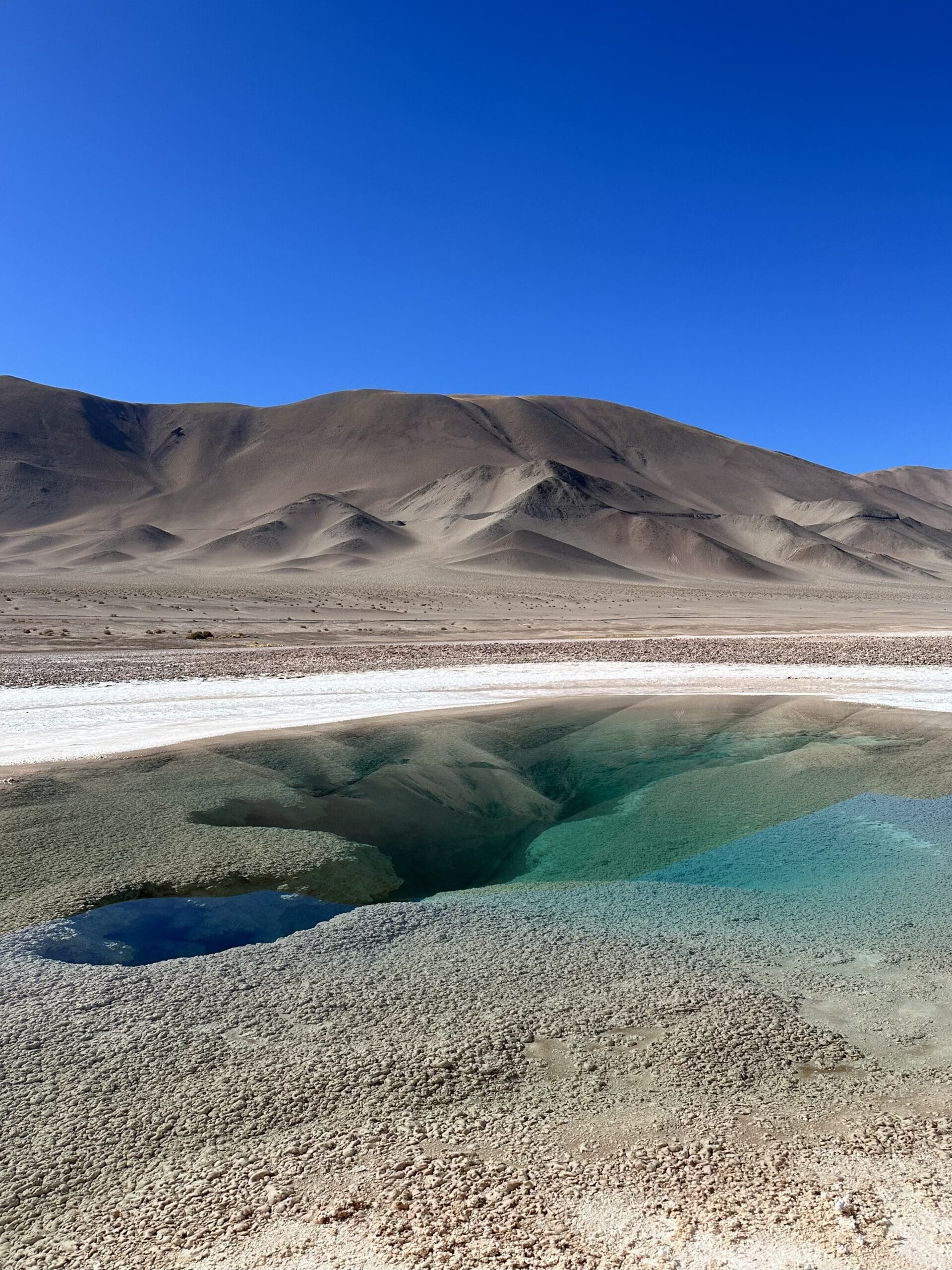
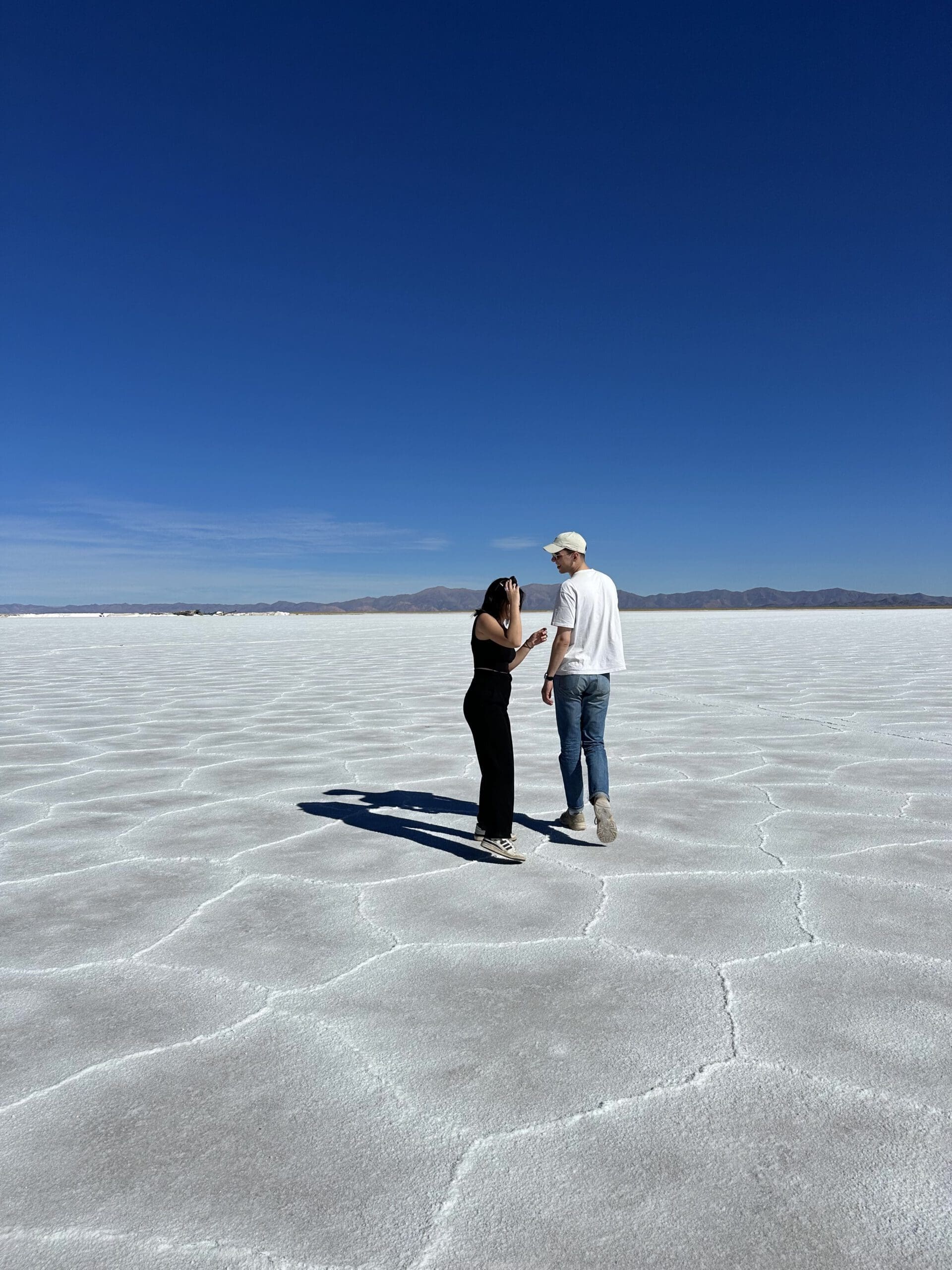
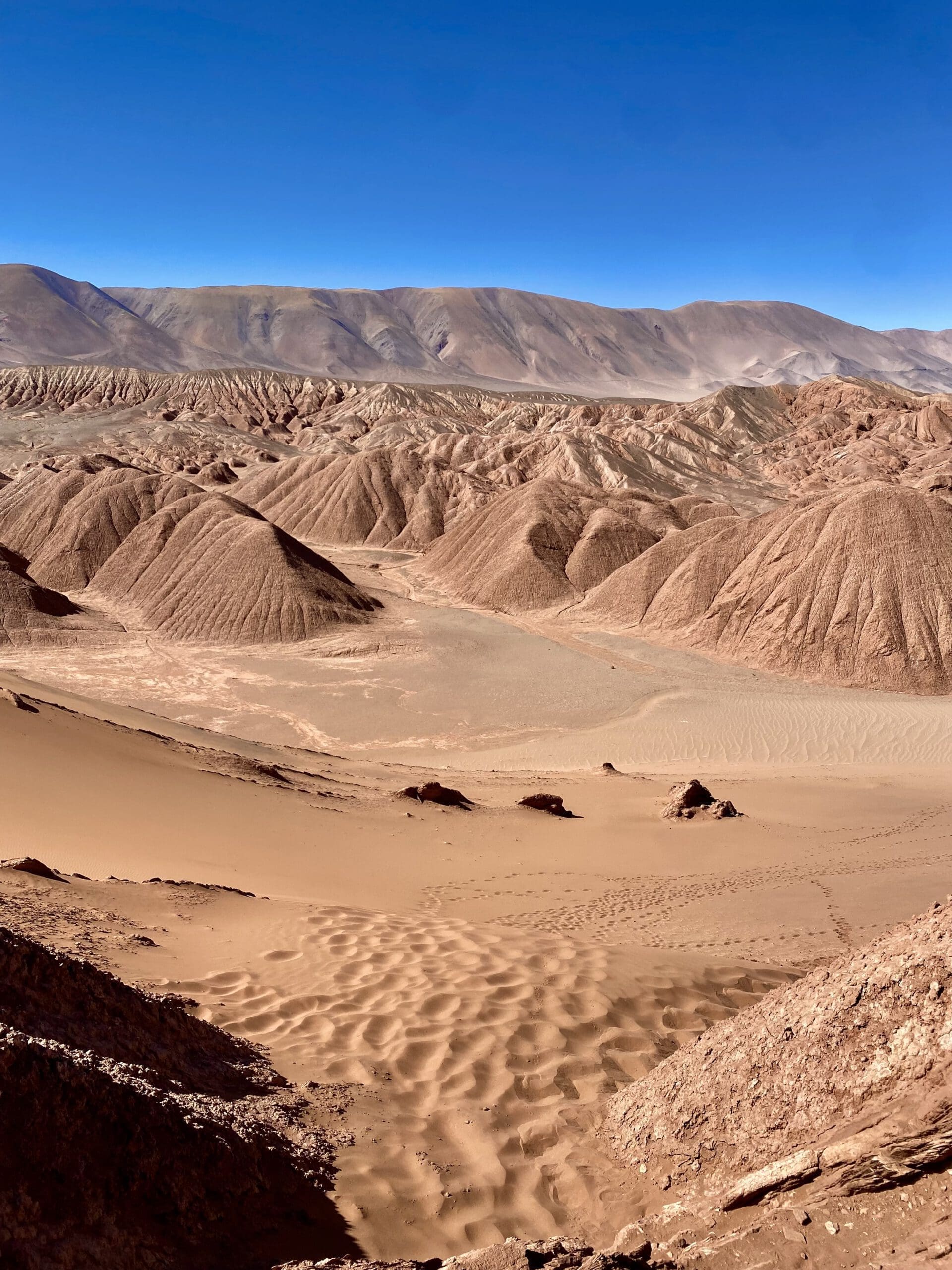
The northwest: colored mountains, salt flats, indigenous culture. One of the most stunning parts of Argentina. There are two circuits to do from Salta: the north circuit through the Quebrada de Humahuaca (UNESCO listed) and the south circuit, plus Tolar Grande for landscapes that genuinely look like another planet. Do all three if you can.
Allow at least 7 days for Salta and surroundings.
Patagonia
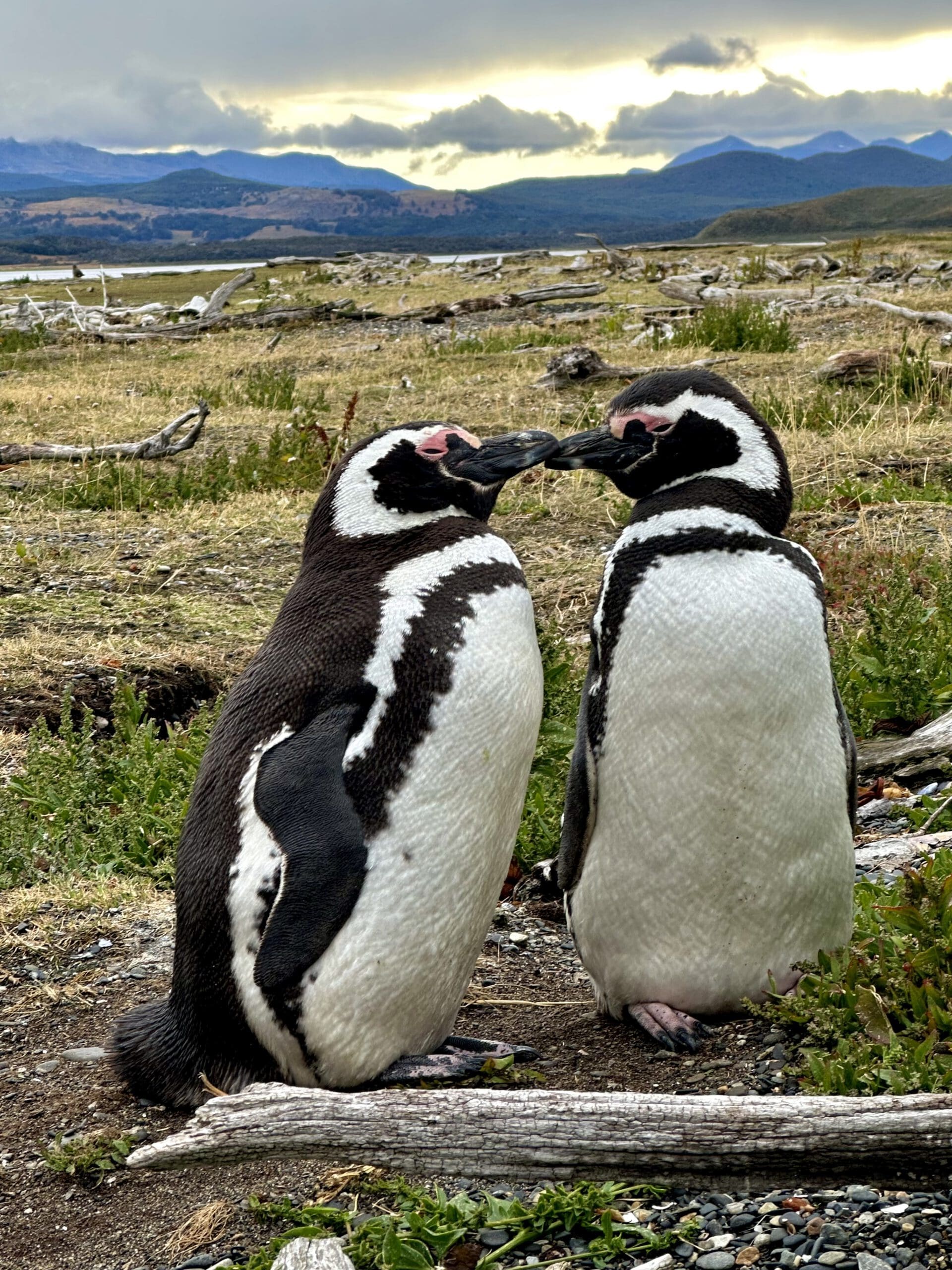
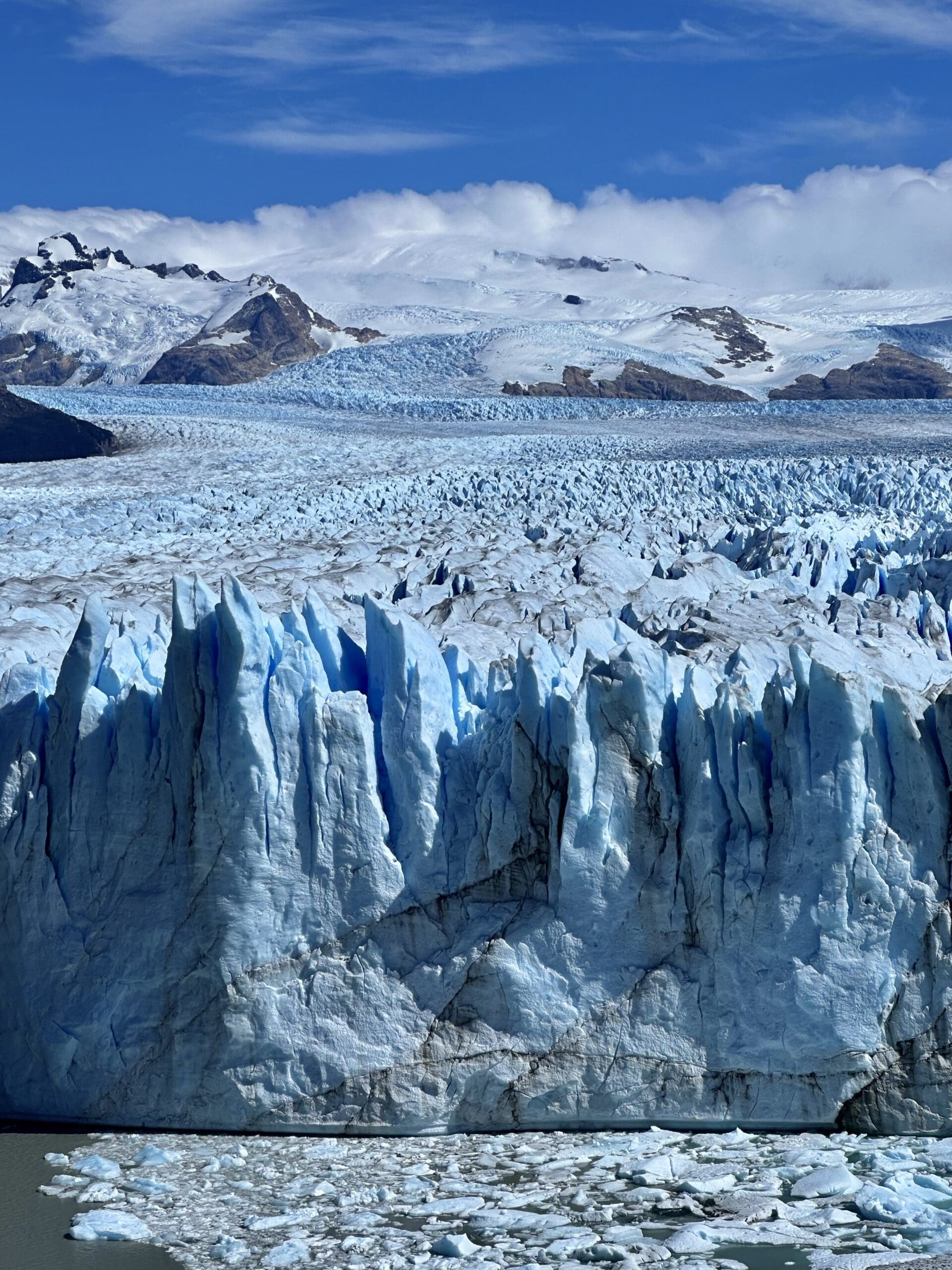
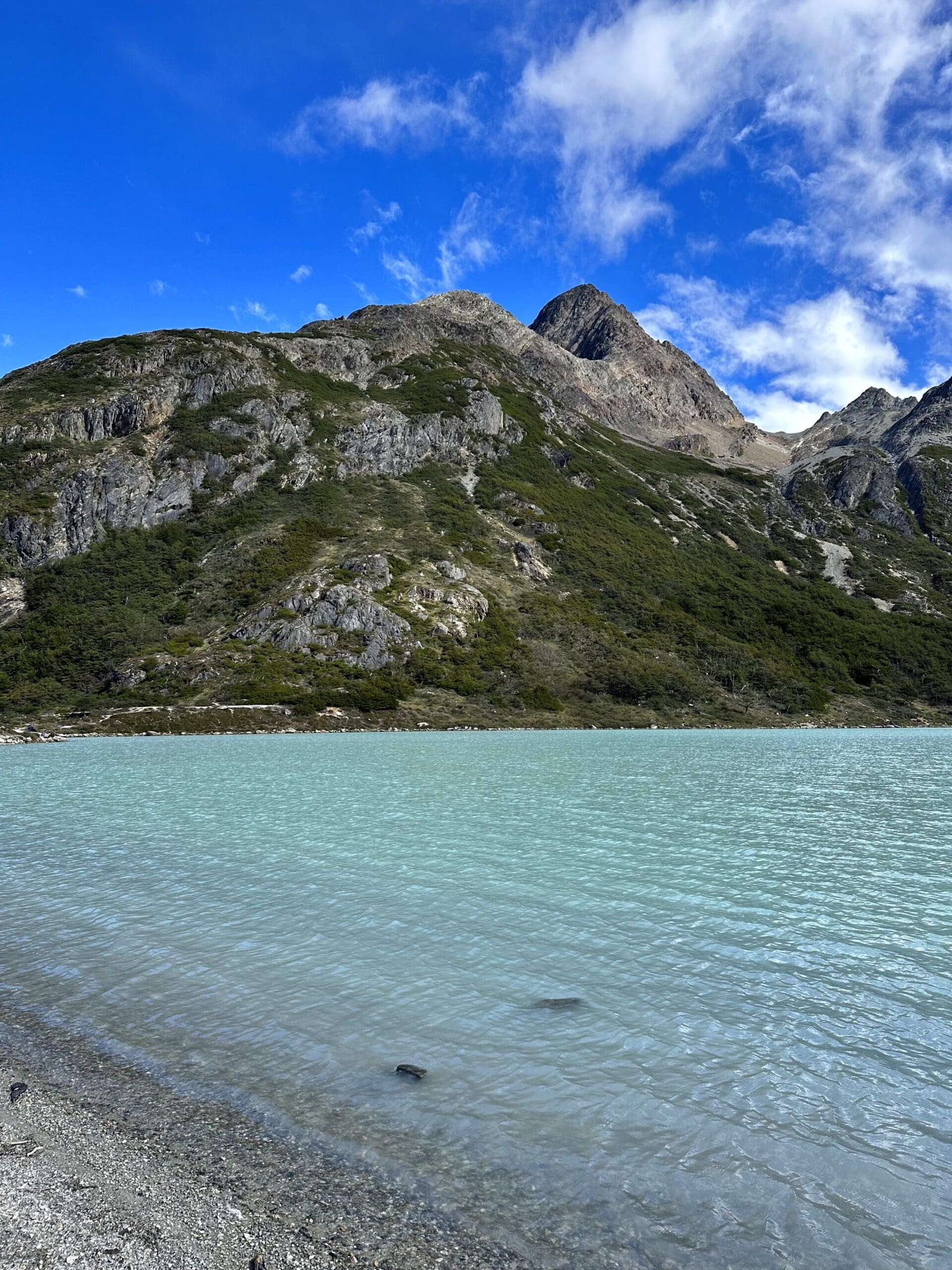
The big one with Ushuaia at the end of the world, the Perito Moreno glacier, and the Fitz Roy massif at El Chaltén. Three destinations that work well as a circuit over 6 days.
Patagonia requires planning, flights book up, weather is unpredictable, Fitz Roy especially needs extra days if you hike. Don’t rush it.
Iguazú
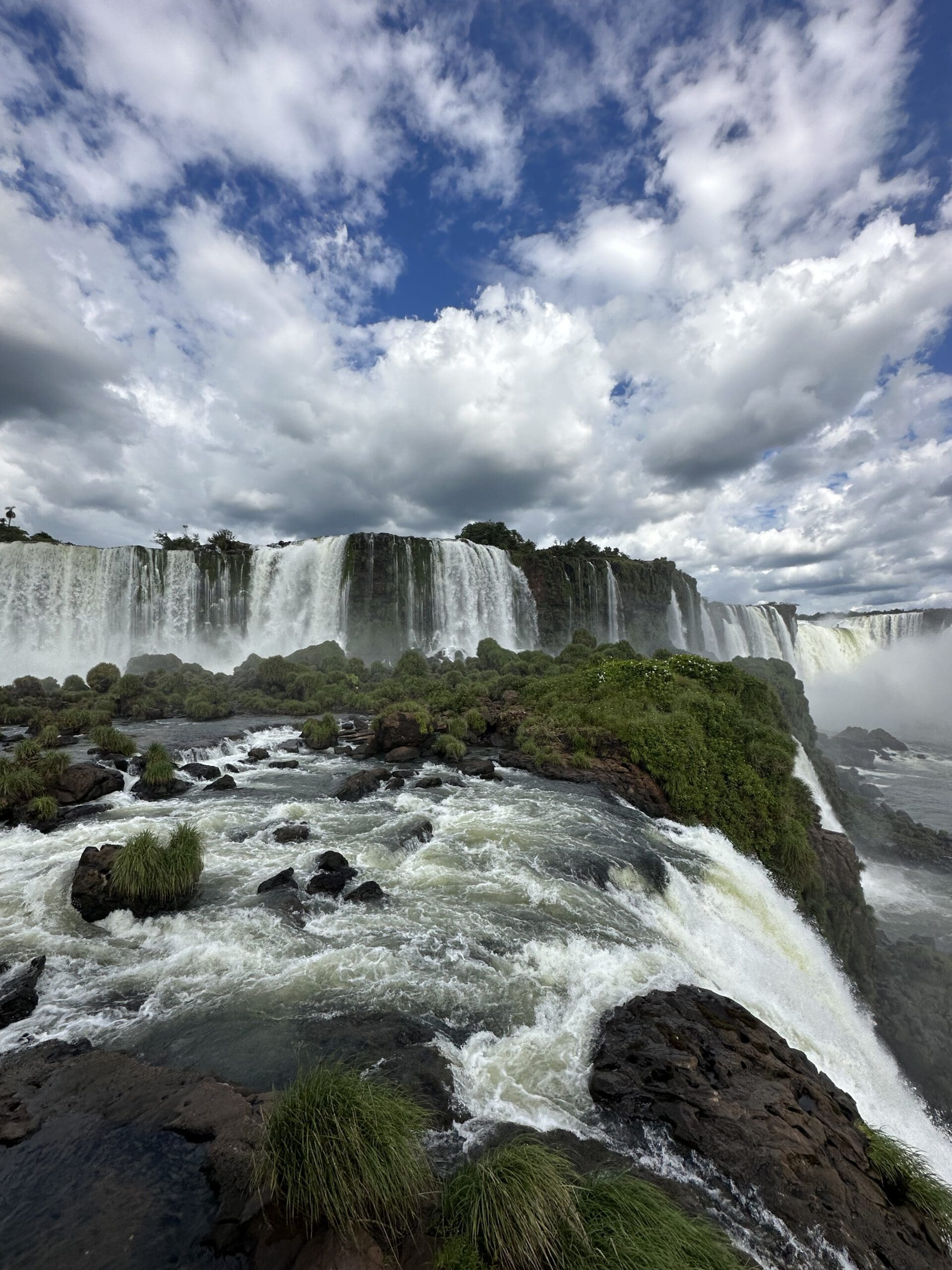
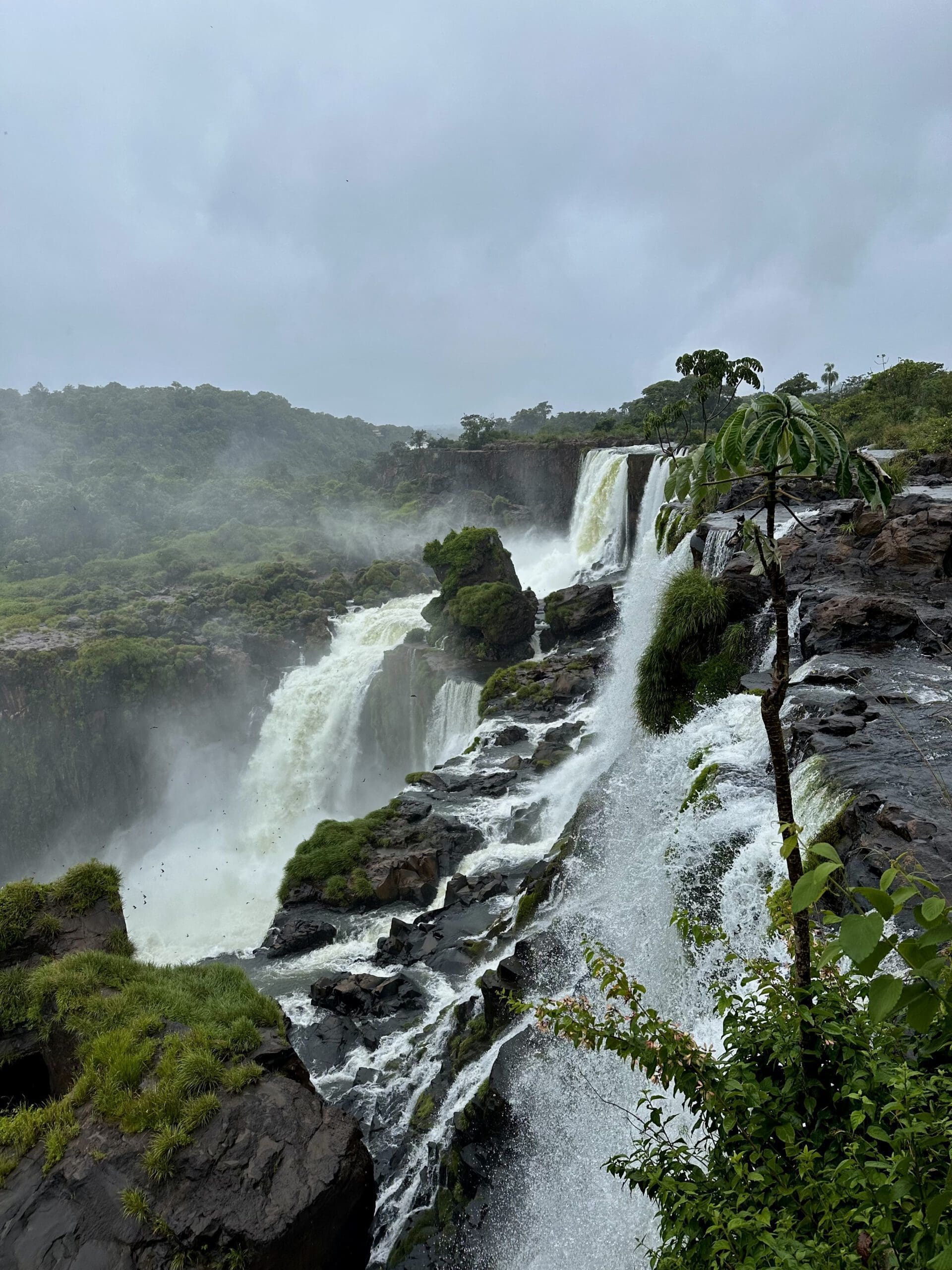
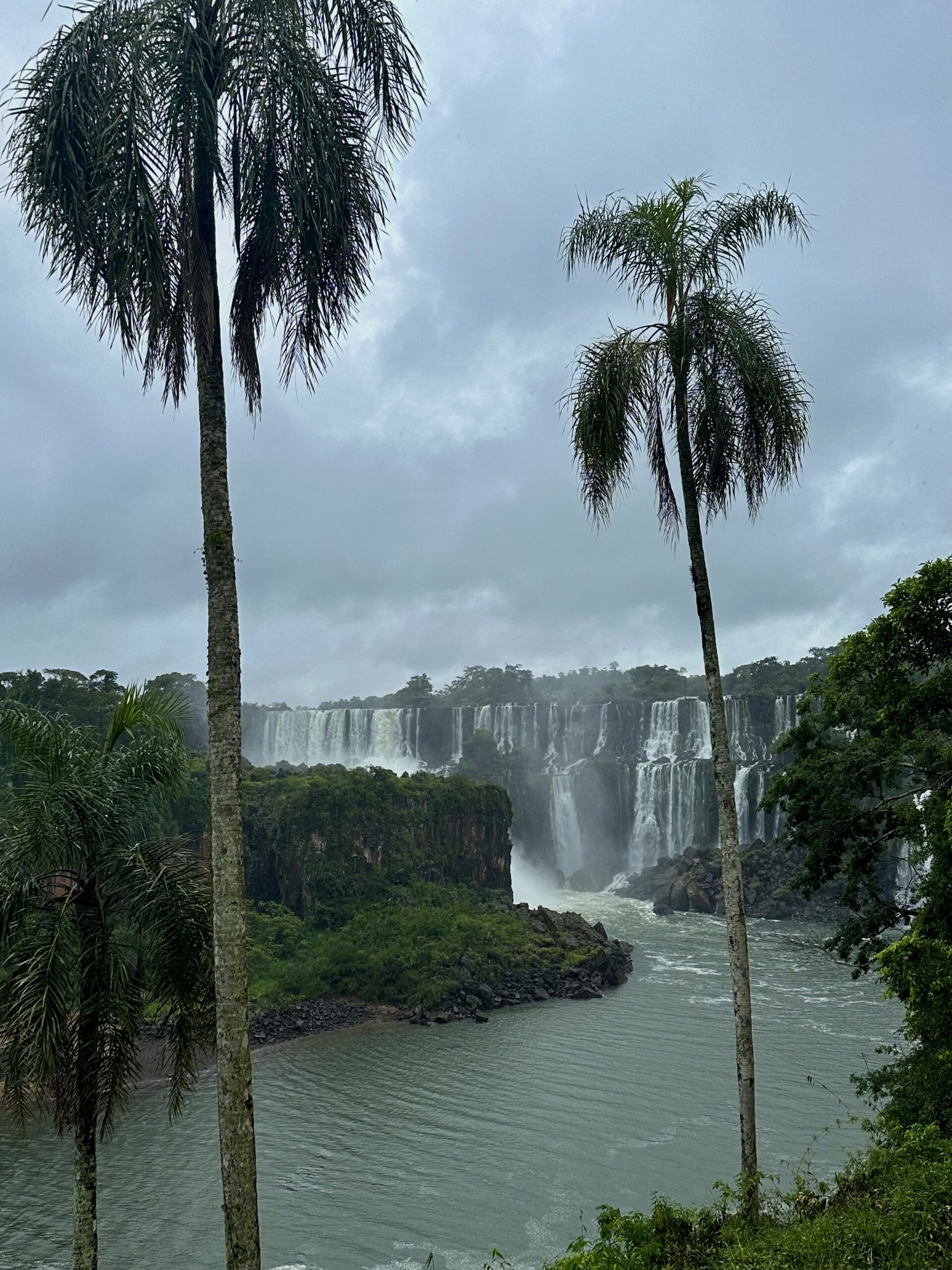
One of the most spectacular waterfalls in the world, on the border between Argentina and Brazil. The Argentine side and the Brazilian side give completely different perspectives, do both if you can. 2 days minimum, one per side.
Bariloche
I didn’t make it but it’s on the list. A lake district town in Argentine Patagonia with Swiss-style architecture, skiing in winter, hiking and kayaking in summer.
Leave a Reply